

Discover how the Dermatology Life Quality Index measures skin conditions’ impact on daily life, well-being, and social interactions!
Dermatology Life Quality Index for Psoriasis Assessment
Psoriasis Assessment
Personalized Recommendations
About the DLQI Score
The Dermatology Life Quality Index (DLQI) is a validated questionnaire used to assess the impact of dermatological conditions on quality of life. Scores range from 0-30, with higher scores indicating greater impact.
Score Interpretation:
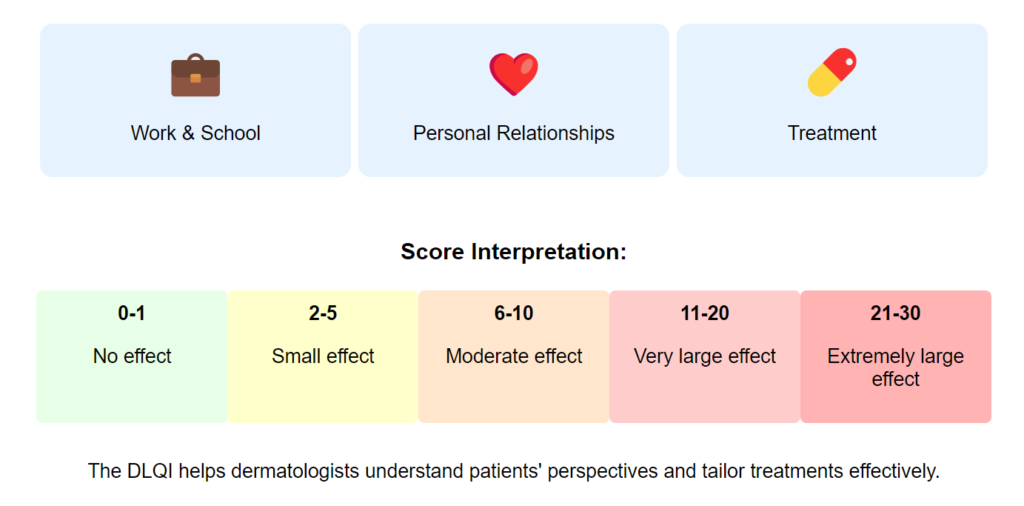
0-1: No impact on patient’s life
2-5: Small impact on patient’s life
6-10: Moderate impact on patient’s life
11-20: Very large impact on patient’s life
21-30: Extremely large impact on patient’s life
This calculator is for informational purposes only and should not replace professional medical advice.
Table of Contents
The Dermatology Life Quality Index (DLQI) is a widely used tool in dermatology to measure the impact of skin conditions on a patient’s quality of life It’s crucial for clinicians and researchers to understand how skin diseases affect a patient’s day-to-day activities emotional well-being and social life: The DLQI questionnaire consists of ten simple questions that help determine the severity of the impact and accessing a DLQI PDF can make this process more convenient for both patients and healthcare professionals.
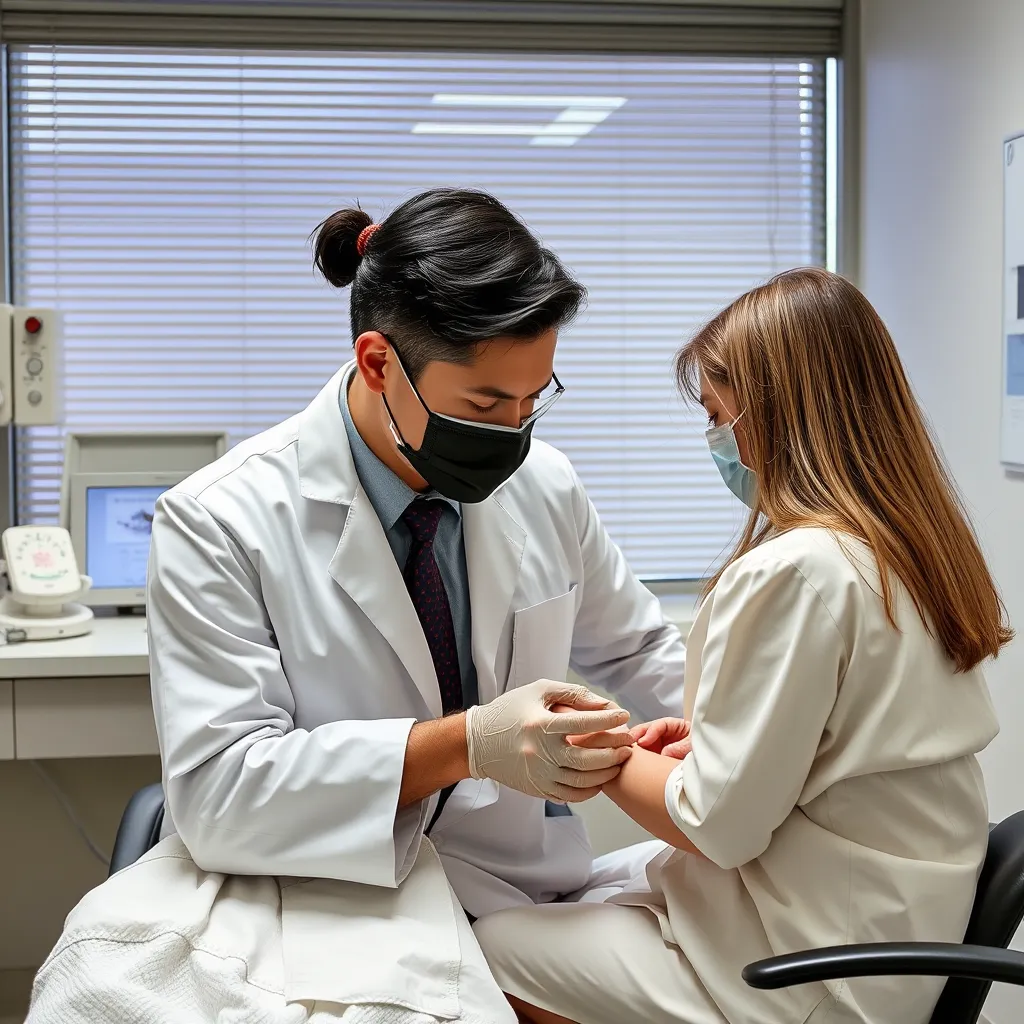
What is the DLQI?
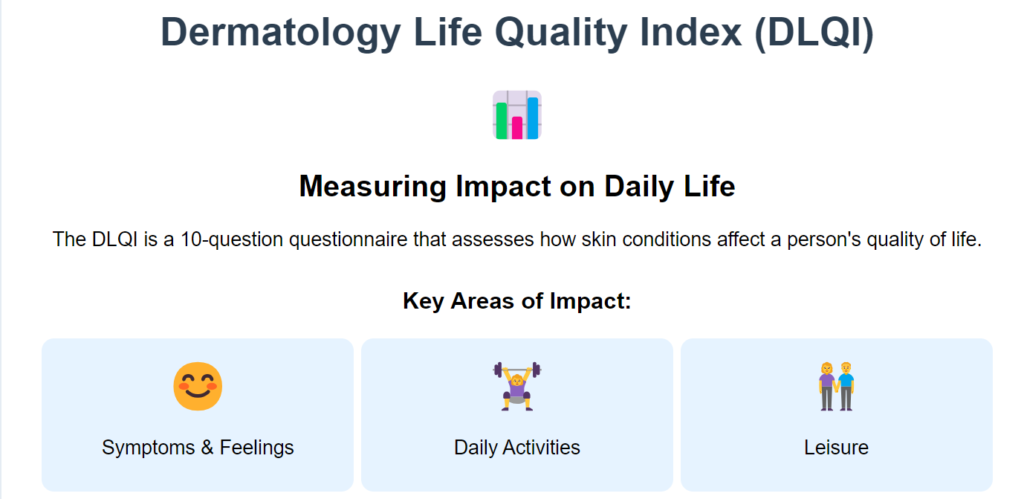
The DLQI is a validated questionnaire specifically designed for use in dermatology. It was first introduced by Dr. Andrew Finlay and his team in 1994 and since then it has become the gold standard for assessing the quality of life in patients with skin diseases The questionnaire covers various aspects of daily living affected by skin conditions, including:
- Symptoms and Feelings: This covers how much the condition has caused pain discomfort, or embarrassment.
- Daily Activities: This evaluates if the skin condition has interfered with activities like shopping, cleaning, or dressing.
- Leisure: This section asks if the condition has affected sports, hobbies, or social activities.
- Work and School: It assesses if the skin issue has caused problems at work or school.
- Personal Relationships: The questionnaire considers whether the skin condition has affected relationships with family, friends, or partners.
- Treatment: It looks into whether the treatment of the skin condition has been a burden.
Each question has four response options, scoring between 0 and 3, with the final score ranging from 0 to 30. A higher score indicates a greater negative impact on the quality of life.
Why is the DLQI Important?
For dermatologists, the DLQI helps in the clinical assessment and management of skin conditions like psoriasis, eczema, acne, and vitiligo It allows physicians to:
- Monitor Treatment Progress: Regular use of the DLQI can help assess how a patient’s condition improves or worsens over time.
- Personalize Treatment Plans: By understanding the specific areas of a patient’s life most affected by their skin condition, doctors can tailor treatment to address these concerns.
- Facilitate Patient Communication: It provides a structured way for patients to communicate their feelings and difficulties to their healthcare provider ensuring that both physical symptoms and emotional impacts are addressed.
How to Access the DLQI PDF
Many healthcare institutions academic papers, and dermatology clinics offer the DLQI in PDF format for easy download and printing, This makes it accessible for clinics doctors, or even patients who wish to fill it out in the comfort of their own homes, To find the DLQI in PDF format, simply search for “DLQI PDF download” through reliable medical or academic websites.
DLQI PDF: Benefits of Digital Access
Having the DLQI in PDF format offers several advantages:
- Portability: A downloadable PDF allows users to easily access the questionnaire from any device, be it a phone, tablet, or computer.
- Convenience: Patients and clinicians can print the document for easy reference during consultations.
- Accuracy in Record-Keeping: Healthcare providers can store filled-out PDFs in electronic health records (EHRs) for future use, improving long-term monitoring.
Dermatology Life Quality Index
The Dermatology Life Quality Index is a brief questionnaire that measures how skin disease affects a person’s daily life over the past week. It is commonly used in clinics and research to monitor burden, guide treatment choices, and track response to therapy.
It contains 10 questions across domains such as symptoms and feelings, daily activities, leisure, work or school, personal relationships, and treatment. Each item is scored 0 to 3, giving a total from 0 to 30.
Scores are interpreted as follows: 0–1 no effect, 2–5 small effect, 6–10 moderate effect, 11–20 very large effect, 21–30 extremely large effect. It is self-administered and usually takes about two minutes to complete.
The DLQI is validated mainly for adults aged 16 and older. Related tools include the Children’s Dermatology Life Quality Index and the Family Dermatology Life Quality Index.
Limitations include recall bias, cultural and language differences, and that it is not disease-specific. Despite this, it is widely adopted to support shared decision-making and document outcomes.
Conclusion
The DLQI PDF is an invaluable tool for anyone involved in the management and treatment of skin conditions. Whether you are a dermatologist patient or researcher having access to this questionnaire in a convenient PDF format can enhance treatment planning patient communication, and overall quality of care. For the best results, it’s important to download the PDF from reputable sources to ensure that the content is up-to-date and accurate.
By understanding the significance of the DLQI and utilizing the PDF version, both healthcare providers and patients can work together to improve the lives of those affected by skin conditions
