
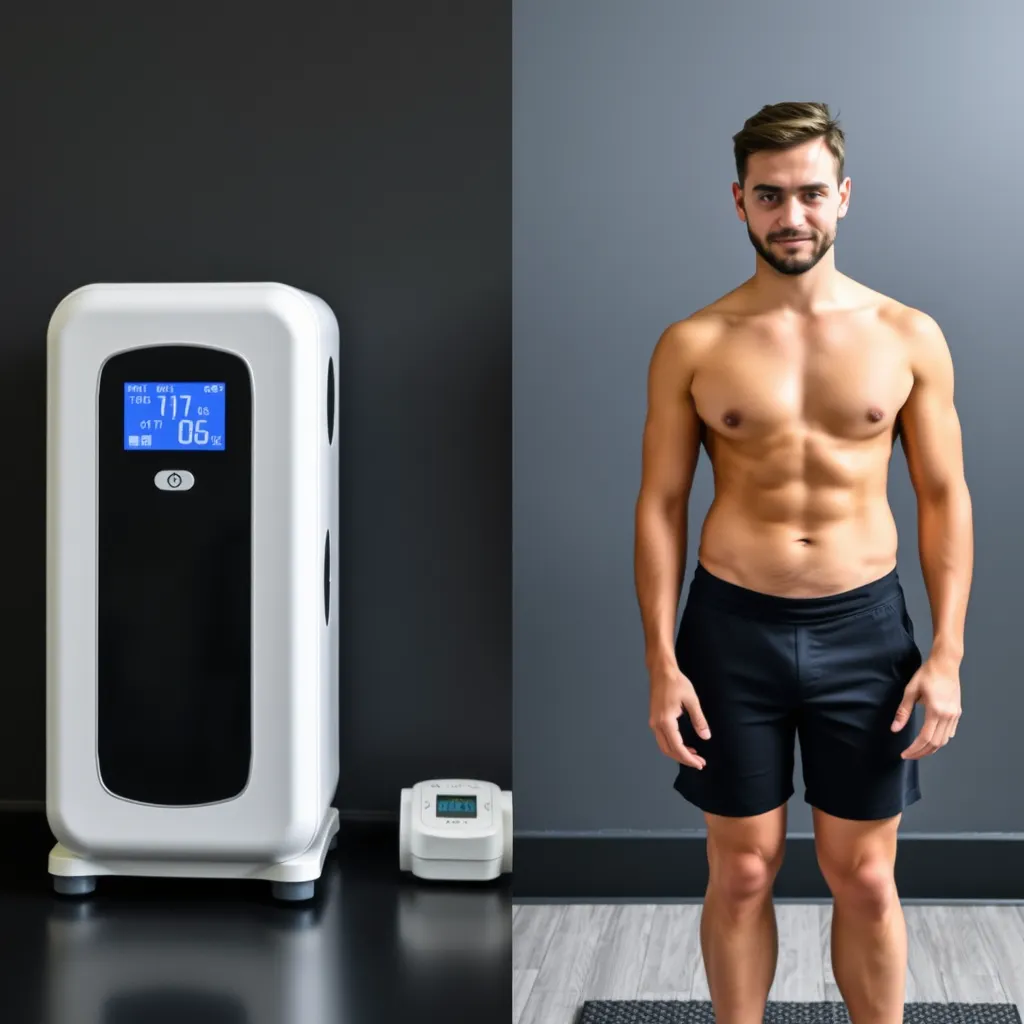
Popular Body Fat Analyzers: Measure body fat %, muscle mass, and more to track progress, set realistic goals, and optimize diet and workouts.
Body Fat Analyzer Guide
Discover the best tools to measure and track your body fat percentage accurately. Whether you’re fitness-focused or health-conscious, find the right analyzer to help you achieve your goals.
Why Measure Body Fat?
Body fat analyzers go beyond simple weight scales by estimating body composition, including fat percentage, muscle mass, bone density, and more. Popular methods use Bioelectrical Impedance Analysis (BIA), skinfold measurements, or advanced segmental analysis. Choose based on accuracy, convenience, and budget.
Popular Body Fat Analyzers




Types of Body Fat Analyzers

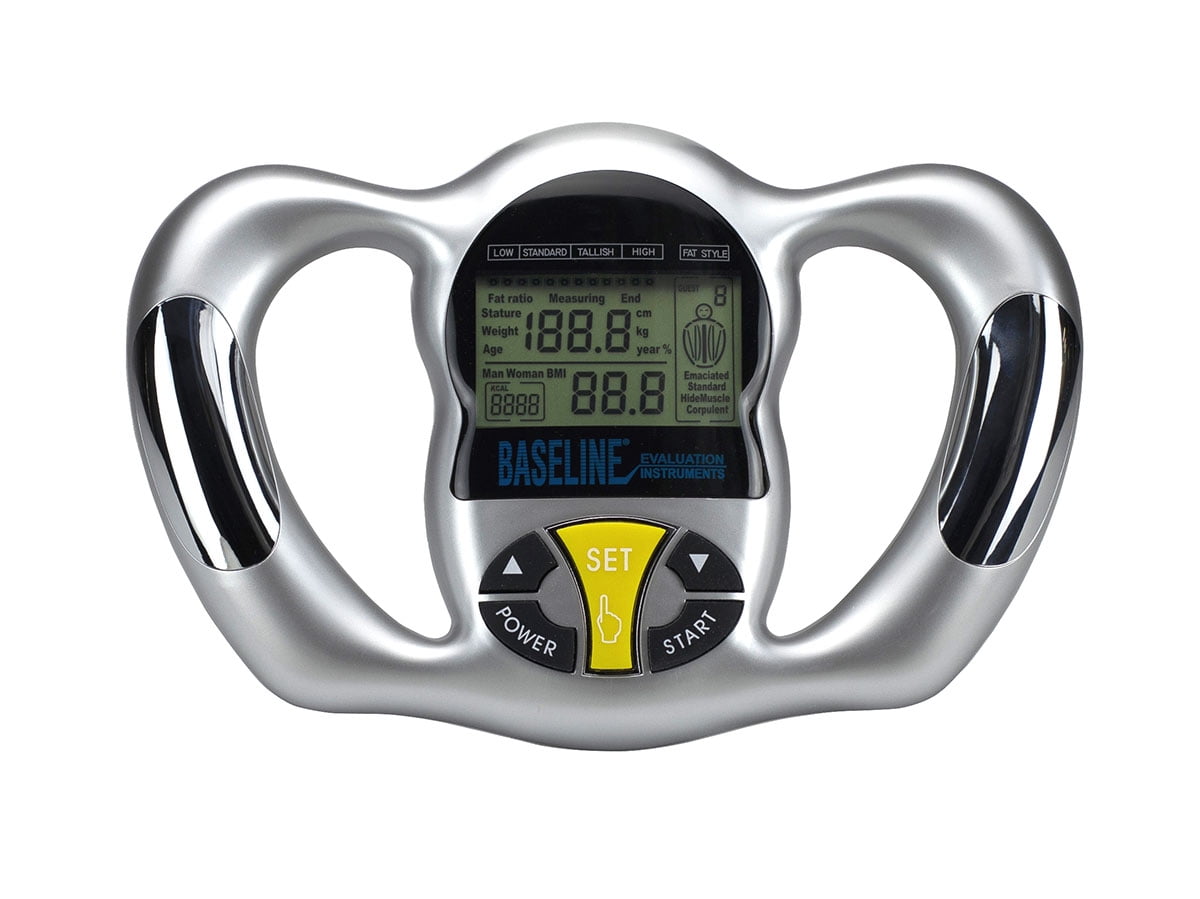
Handheld Analyzers
Portable devices like Omron models use BIA through your hands for quick body fat readings. Great for on-the-go tracking.

Skinfold Calipers
Manual tools for measuring skin folds. Affordable and reliable when used correctly – ideal for precise manual tracking.
Smart Scales & Advanced Devices
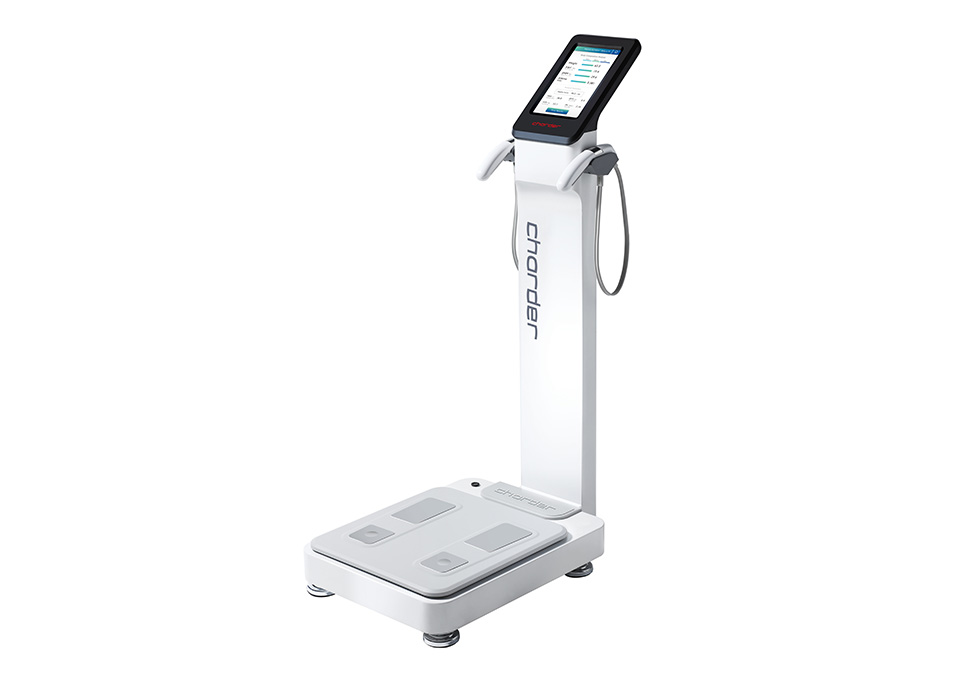
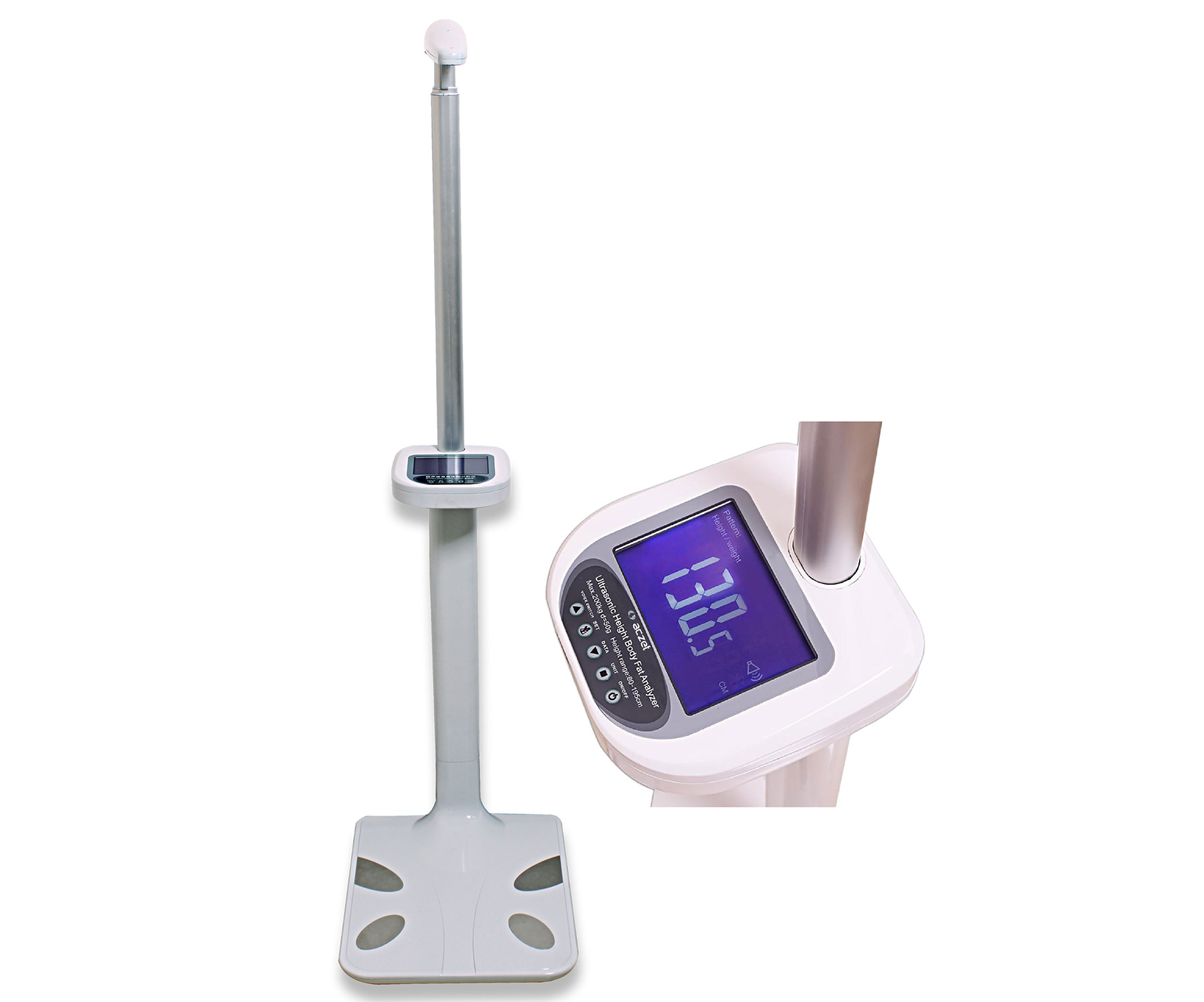
Full-body smart scales (e.g., RENPHO, Withings, Tanita) provide detailed metrics via apps. Best for comprehensive home use.
Top Recommendations (2025)
- Best Overall Smart Scale: FITINDEX or RENPHO – Accurate, app-connected, tracks multiple metrics.
- Premium Option: Withings Body Cardio or Hume Body Pod – Segmental analysis and high precision.
- Handheld: Omron HBF-306C – Reliable and portable.
- Budget Calipers: Lightstuff or professional skinfold tools.
For ultimate accuracy, consider professional DEXA scans periodically.
Table of Contents
Body fat analyzers are essential tools for measuring body composition beyond just weight. They provide insights into body fat percentage, muscle mass, and more, empowering users to make informed health decisions. Understanding your body fat percentage is crucial for achieving fitness goals and maintaining overall health. Regular monitoring can help set realistic targets while assessing dietary and exercise effectiveness. With various measurement techniques available including bioelectrical impedance analysis and skinfold measurements, it’s important to choose the right body fat analyzer for your needs. Discover the different types of analyzers and their advantages, and learn how integrating body fat analysis into your routine can lead to better health outcomes and lifestyle changes.
Introduction to Body Fat Analyzers
Body fat analyzers are specialized devices designed to measure the percentage of fat in the human body. Unlike traditional scales that only provide weight measurements, these tools offer a comprehensive view of body composition. They not only indicate how much of a person’s weight is made up of fat but also provide insights into muscle mass bone density, and water composition. Understanding body composition is crucial for anyone interested in maintaining or improving their health and fitness, as it enables a clearer picture of physical fitness than weight alone.
Tracking body fat percentage can be particularly beneficial for athletes, fitness enthusiasts, and individuals on weight management journeys. Regular monitoring helps users to set realistic fitness goals tailored to their body’s unique needs It also assists in assessing the effectiveness of dietary and exercise programs. By using body fat analyzers, individuals gain access to valuable data that can inform lifestyle changes and encourage consistency in fitness regimens.
Many body fat analyzers use various methods to measure body composition, including bioelectrical impedance analysis (BIA), dual energy X ray absorptiometry (DXA), and skinfold measurements. Each method has its own advantages and limitations, making it essential for users to select a tool that suits their specific health objectives. Furthermore, understanding one’s body composition helps in identifying potential health risks associated with high body fat levels, such as cardiovascular diseases and diabetes. In sum, body fat analyzers serve not only as data collection tools but also as essential components for informed health management.
Why Measuring Body Fat Matters
Understanding your body fat percentage is a crucial aspect of maintaining health and achieving fitness goals. Unlike weight alone which can fluctuate due to various factors, body fat percentage provides a clearer picture of your health status. By measuring body fat, individuals can gain insight into their overall composition, enabling them to make more informed decisions regarding exercise and nutrition.
Monitoring body fat is essential for several reasons. First, it helps in assessing fitness levels more accurately. For instance, a person with a higher muscle mass may weigh more but their body fat percentage could indicate that they are in better shape than someone with a lower weight but higher fat percentage. This distinction is vital for determining the effectiveness of workout regimes and ensuring that fitness goals align with actual health improvements.
Furthermore, knowing your body fat percentage can significantly impact health outcomes. Excess body fat, particularly visceral fat surrounding internal organs, is associated with various health conditions, including diabetes, heart disease, and other metabolic disorders. By regularly analyzing body fat, individuals can take proactive steps to mitigate potential health risks Tailoring diet plans based on body fat measurements can enhance weight loss efforts, allowing individuals to focus on losing fat rather than muscle mass. This specific focus helps preserve lean tissue and promotes better overall health during weight reduction.
In conclusion, measuring body fat not only contributes to a more comprehensive understanding of personal health but also serves as a valuable tool for setting realistic fitness goals, By integrating body fat analysis into health routines, individuals can develop more effective strategies for improving their lifestyle and overall well-being.
Understanding Body Composition
Body composition is a critical aspect of an individual’s health, encompassing various components that describe the makeup of the body. the primary elements analyzed include body fat percentage, muscle mass, water content, and bone density. Each of these components plays a significant role in determining an individual’s overall health and fitness levels.
Body fat percentage is often a focal point in discussions about body composition. This metric indicates the proportion of fat in relation to total body weight A higher body fat percentage may be associated with increased health risks, including cardiovascular diseases and diabetes, while an optimal level supports overall well-being. Monitoring body fat can help individuals set health goals and track their progress effectively over time.
Muscle mass, another essential component, is crucial for overall strength and metabolism. It influences calorie burning, enhances physical performance, and contributes to a healthy lifestyle. A sufficient amount of muscle can improve athletic abilit support joint stability, and aid in injury prevention. Thus, knowing your muscle mass percentage allows for better workout planning and nutritional strategies.
Bone density is equally important as it reflects the strength and health of one’s bones. Low bone density can lead to osteoporosis and increased fracture risk, particularly as one ages. Regular assessment of bone health through body fat analyzers that provide this metric can be instrumental in implementing preventive measures.
Body fat analyzers utilize various technologies, including bioelectrical impedance analysis (BIA) and dual-energy X-ray absorptiometry (DXA to measure these components systematically. Understanding the results from these devices can provide valuable insights into one’s health, facilitating informed decisions regarding fitness regimes and dietary choices.
Popular Methods of Body Fat Measurement
Accurately measuring body fat is essential for understanding overall health and fitness. Several methods are employed in the field of body composition analysis each with its own advantages and disadvantages. Among the most popular techniques are bioelectrical impedance analysis (BIA), skinfold measurements, and advanced segmental analysis.
Bioelectrical impedance analysis (BIA) is a widely used method that measures the resistance of body tissues to electrical currents It relies on the principle that fat tissue and lean tissue conduct electricity differently. BIA devices can range from handheld devices to more sophisticated models found in medical settings. The advantages of BIA include its ease of use, quick results, and non-invasiveness. However, factors such as hydration levels, meal timing, and skin temperature can affect accuracy, leading to inconsistent readings.
Another common technique is skinfold measurement, which involves using calipers to measure the thickness of skinfolds at specific body sites. This method is typically performed by trained professionals, requiring skill to ensure correct measurements. Skinfold measurements are beneficial for their cost-effectiveness and can serve as a useful tool for tracking changes in body fat over time. On the downside, this method may lack precision particularly if the tester lacks experience or if measurements are taken inconsistently.
Advanced segmental analysis offers a more detailed assessment of body fat distribution by measuring fat in specific segments of the body such as the arms, legs, and trunk. This method can provide insights into body composition, allowing for personalized fitness plans. Although advanced segmental analysis is often more accurate than BIA or skinfold measurements, it may require specialized equipment, making it less accessible for everyday users.
Choosing the Right Body Fat Analyzer for You
The selection of a suitable body fat analyzer often hinges on several key factors that can significantly influence personal fitness outcomes. First and foremos accuracy plays a pivotal role in making a choice. Ideally, one should look for devices that employ methods like bioelectrical impedance analysis (BIA), Dual-Energy X-ray Absorptiometry (DXA), or other clinically proven technologies. Such methods generally yield more reliable body composition readings compared to simpler handheld devices.
Convenience is another essential consideration. Users should assess whether they prefer a portable unit that allows for easy tracking during travels or a more permanent stationary device that offers features suited for home use. Additionally, ease of use significantly enhances user experience; thus, selecting an analyzer with an intuitive interface can make a substantial difference in regular use.
User-friendliness involves not only the interface but also the additional functionalities a device may offer. Some body fat analyzers are equipped with smartphone apps that can store and track data over time, providing a comprehensive view of an individual’s progress. this integration of technology encourages adherence to fitness goals, making user-friendliness a paramount quality.
Lastly, budget constraints cannot be overlooked. Body fat analyzers are available in various price ranges, from economical handheld models to higher end options with advanced features. Evaluate personal finance limits against the essential functionalities needed for effective tracking of body fat percentage and overall body composition.
When considering a body fat analyzer, balancing accuracy convenience, user-friendliness, and budget will ensure that individuals choose the right tool that best aligns with their fitness journey.
Types of Body Fat Analyzers
When it comes to tracking body fat percentage and overall fitness, various types of body fat analyzers are available to cater to different preferences and circumstances. This section will explore the three primary categories of body fat analyzers: handheld analyzers skinfold calipers, and smart scales.
Handheld body fat analyzers are compact devices that utilize bioelectrical impedance analysis (BIA) to estimate body fat percentage. These analyzers operate by sending a mild electrical current through the body, measuring resistance due to fat mass versus lean mass. Handheld analyzers are portable and user-friendly making them an excellent choice for individuals looking for quick results at home or on the go. However, their accuracy may vary based on factors such as hydration levels and user positioning.
Skinfold calipers are another method for assessing body fat. They work by measuring the thickness of skinfolds at specific body sites, typically including areas such as the abdomen, triceps, and thighs. This method requires some degree of skill and consistency as proper technique is essential for accurate results. Skinfold measurements can be a reliable way to estimate body fat when performed by a trained professional; however, for personal use, results may vary significantly based on the user’s expertise.
Lastly, smart scales represent a modern approach to body fat analysis. These scales not only measure weight but also provide estimates of body fat percentage and other metrics through BIA technology. Many smart scales connect to mobile apps allowing users to track their progress over time and gain insights into their overall health. Although smart scales are easy to use and convenient, their accuracy can be influenced by factors such as water consumption and recent physical activity.
Handheld Analyzers: Quick and Convenient
Handheld body fat analyzers represent a popular choice for individuals seeking a quick and convenient method to monitor their body composition. These compact devices are designed for ease of use, allowing users to obtain body fat readings in a matter of seconds. Many handheld devices employ bioelectrical impedance analysis (BIA) which functions by sending a low-level electrical current through the body to estimate body fat percentage. This non-invasive method is appealing for users looking for a straightforward way to track their health and fitness progress.
One of the well-known brands in this category is Omron. Their handheld body fat analyzers, such as the Omron BF511, have gained recognition for their accuracy and user-friendly interface. Users simply grip the device and wait for a brief moment while the readings are compiled. The results are often displayed on a digital screen providing instant feedback regarding body fat, muscle mass, and other pertinent metrics. However, while handheld analyzers are valuable for providing a snapshot of body composition, they may not be as precise as other methods like hydrostatic weighing or DEXA scans.
When considering handheld analyzers, there are a few advantages and disadvantages to review. On the pro side, their compact size and convenience make them ideal for on-the-go evaluations, appealing to fitness enthusiasts and individuals managing weight loss. Nevertheless, reliability can be compromised by factors such as hydration levels meal timing, and the user’s body position during measurement. This variability can lead to discrepancies in readings, emphasizing the need for consistent practices when utilizing these devices. Overall, handheld body fat analyzers like those from Omron offer a practical solution for quick assessments but should be used in conjunction with other methods for a comprehensive picture of overall body composition.
Skincare Calipers: Manual Precision
Skincare calipers are recognized as an effective manual method for measuring body fat. These devices work by measuring the thickness of skinfolds at specific sites on the body, allowing for a calculation of body composition. When using calipers proper technique is essential to ensure accurate results. It is recommended to measure at least three times at each site, recording the values to obtain an average for maximum reliability.
The sites most commonly used for skinfold measurements typically include the tricep, abdomen, and thigh. Mastery of the technique involves pinching the skinfold firmly ensuring that the calipers are positioned correctly, and reading the measurement promptly to avoid slippage. Following a standardized protocol is critical to derive consistent measurements over time.
One of the noteworthy advantages of skincare calipers is their affordability. Compared to electronic body fat analyzers, skinfold calipers are budget-friendly making them accessible to a wide range of users, including fitness enthusiasts and professionals. With prices starting at a modest amount, they offer a cost-effective option for those seeking to monitor their body fat percentage without a significant financial commitment.
Reliability is another key aspect of skincare calipers when used correctly. Research has shown that when skilled operators conduct measurements, the results can offer a reliable estimation of body fat percentage, comparable to more expensive methods. However, it is important to acknowledge that results may vary based on the technician’s experience and the individual’s body composition. Regular practice can enhance proficiency, resulting in more consistent and accurate measurements. Overall, skincare calipers present a practical solution for individuals aiming to track their body fat levels manually with precision.
Smart Scales: The Technology Revolution
In recent years, smart scales have emerged as a key player in body fat analysis technology. These innovative devices surpass the traditional weighing scale, offering advanced features that enable comprehensive health monitoring. Smart scales typically use bioelectrical impedance analysis (BIA) to estimate body fat percentage, muscle mass, and other metrics by sending a harmless electrical current through the body. The resulting data is then transmitted to an associated app or device, enabling users to track their progress over time.
The integration of smart technology provides numerous benefits. Firstly, many smart scales can store multiple user profiles, making them ideal for families or groups who wish to monitor individual health metrics. Secondly, these devices often allow users to set personalized goals, and receive tailored feedback, enhancing motivation and accountability. Furthermore, smart scales can sync with various fitness apps and wearables, consolidating health data in one place, which aids in creating a holistic view of one’s fitness journey.
However, smart scales also have their limitations. The accuracy of body fat readings can be affected by factors such as hydration levels, time of day, and even skin temperature. users should consider these variables when interpreting results. Additionally, while the connectivity features are advantageous for tech-savvy individuals, others may find them overwhelming or unnecessary, particularly if they prefer a straightforward approach to weight management.
Ultimately, smart scales represent a significant leap in body fat analysis technology, appealing to those who appreciate data-driven insights and desire a comprehensive understanding of their body composition. For individuals willing to embrace this technology smart scales can offer valuable tools to facilitate effective health tracking and support informed decision-making regarding fitness and wellness goals.